
Why Fascia Might Be the Missing Link in Your Yoga Practice
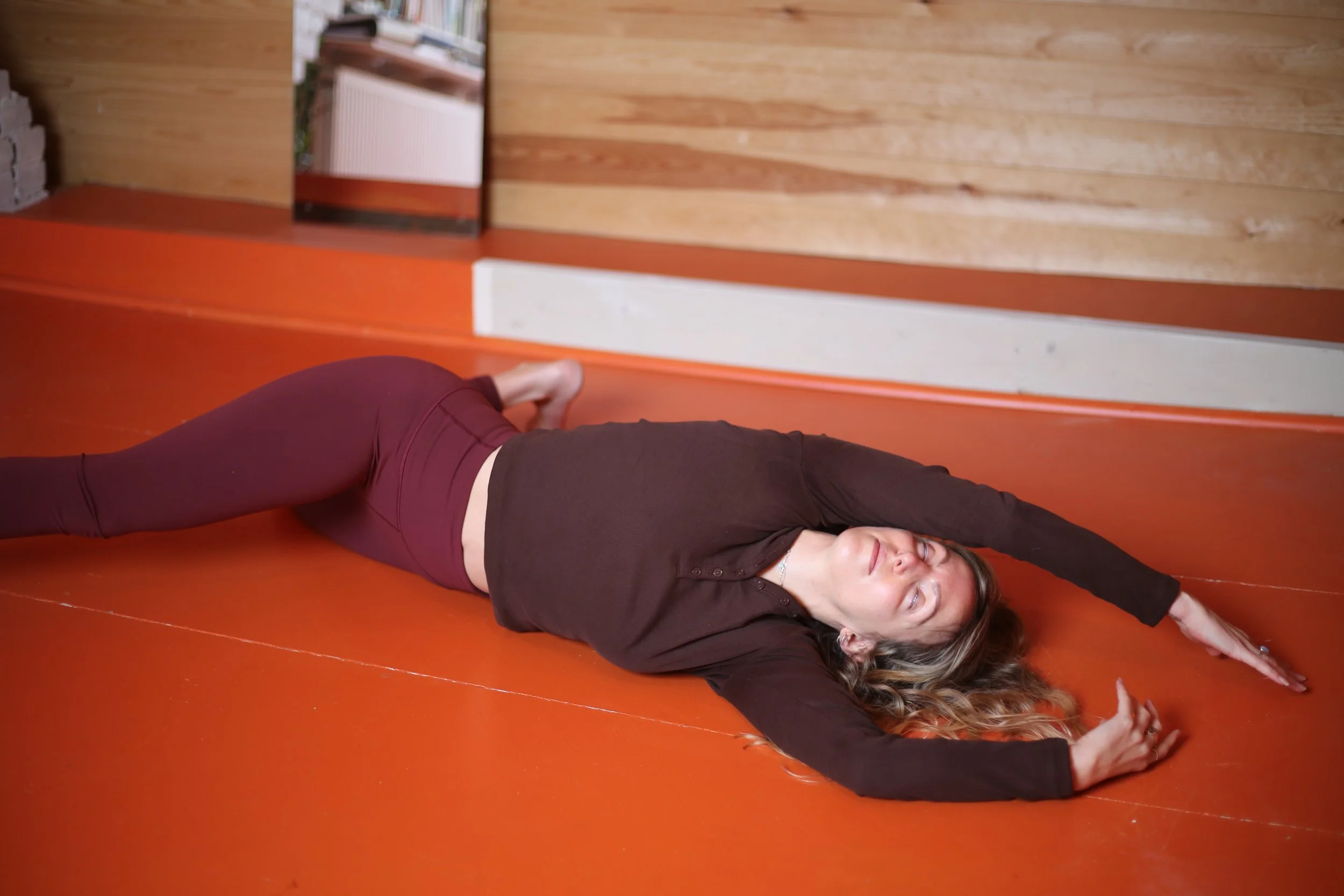
Modern bodies are under constant tension.
We sit at desks. We drive. We train hard. Even in yoga classes, we often focus on achieving shapes — stretching further, going deeper, trying harder. Yet many people who practise yoga regularly still report feeling stiff, restricted, or oddly disconnected from their bodies.
What if flexibility isn’t just about muscles? (hint: it isn’t. You can’t ‘stretch’ a muscle’).
What if the real key to mobility, ease, and fluid movement lies within a lesser-known system: your fascia.
At Yantra Studio, our new MYO-FASCIAL Flow & Roll class in Norwich offers a different approach. Rather than forcing the body into positions, this class invites you to move from sensation, helping restore hydration, mobility, and nervous system balance from the inside out.
This is yoga in Norwich — reimagined through the lens of modern movement science and embodied awareness.
What Is Fascia — and Why Does It Matter?
Fascia is a continuous web of connective tissue that surrounds and interweaves with everything in your body: muscles, bones, nerves, and organs. Imagine a three-dimensional spider’s web beneath your skin, providing structure, support, and communication.
Healthy fascia is elastic, hydrated, and responsive. It allows muscles to glide smoothly and joints to move freely. But fascia responds directly to how we live.
Long periods of sitting, repetitive movement patterns, stress, and even emotional tension can cause fascia to become stiff, dehydrated, or less adaptable. This can create sensations of tightness, restriction, and reduced mobility — even if your muscles themselves are technically “flexible.”
This is why traditional stretching alone doesn’t always solve the problem.
Improving mobility requires restoring the health and adaptability of fascial tissue itself. This is where myofascial release and somatic movement practices, now available in Norwich at Yantra Studio, play a transformative role.
Moving From Sensation, Not Shape
Many yoga classes, even excellent ones, can unintentionally prioritise external form. Students aim to achieve the “correct” version of a pose, sometimes overriding their body’s internal feedback in the process.
In MYO-FASCIAL Flow & Roll, the emphasis shifts entirely.
Instead of chasing shapes, you explore sensation.
This somatic approach — from the Greek word soma, meaning “the living body” — develops your ability to feel subtle internal changes. You move slowly, exploring spirals, gentle transitions, and intuitive pathways. Rather than imposing structure, you allow the body to reorganise itself.
This enhances proprioception (your sense of where your body is in space) and interoception (your ability to perceive internal sensations), both of which are essential for long-term mobility, injury prevention, and nervous system regulation.
For many students attending yoga , this can be a profoundly different experience. Movement becomes less about performance and more about relationship — a conversation with your own tissues.
How Therapy Balls Support Fascial Health and Mobility
A key element of this mobility class in Norwich is the use of therapy balls.
These small, precise tools allow you to apply gentle, targeted pressure to specific areas of tissue. Unlike aggressive foam rolling, which can sometimes trigger protective tension, therapy ball work in this class is slow, mindful, and integrated with breath and movement.
Fascia responds particularly well to this kind of intelligent compression and release. Like a sponge, fascial tissue absorbs and releases fluid. Gentle rolling encourages hydration, improves tissue glide, and restores elasticity.
Over time, this can reduce chronic tension, improve range of motion, and create a sense of lightness and ease in movement.
Students often report feeling taller, more spacious, and more connected to their bodies after just one session.
The Nervous System: The Hidden Key to Flexibility
Mobility is not purely mechanical. It is neurological.
Your nervous system constantly monitors safety. When it perceives threat — whether from physical strain, emotional stress, or simply moving too aggressively — it increases muscular and fascial tension as a protective response.
This is why forcing stretches can sometimes make the body feel tighter, not looser.
MYO-FASCIAL Flow & Roll integrates gentle movement, breath, and a warm (pleasantly heated) environment to support nervous system regulation. Slow, mindful exploration signals safety to the brain, allowing protective tension to release naturally.
This creates sustainable mobility, rather than temporary flexibility.
For those seeking yoga in Norwich that supports both physical and nervous system health, this class offers a uniquely effective approach.
Who Is This Class For?
This myofascial release class in Norwich is suitable for all levels and particularly beneficial if you:
• Feel stiff despite stretching regularly
• Spend long hours sitting at a desk
• Run, cycle, lift weights, or train intensely
• Practise yoga regularly but want deeper tissue release
• Experience general tension or restriction
• Want to improve mobility safely and sustainably
It complements stronger yoga classes beautifully, supporting recovery and enhancing performance. Many students find it improves their experience in vinyasa, hot yoga, and strength-based practices at Yantra Studio.
At Yantra Studio, we believe yoga is not just about intensity, but intelligence.
MYO-FASCIAL Flow & Roll reflects our core pillars of Authentic, Inclusive, and Creative movement. It integrates modern fascial science, somatic awareness, and traditional yoga principles to support real, lasting change.
This class offers something essential in today’s fast-paced world: permission to slow down, listen, and move with curiosity.
For those exploring yoga in Norwich, it provides a missing piece — supporting recovery, resilience, and embodied awareness.
When? Friday am’s 9.30 with Marie Williams.
Book your space now